Ecometropolis – New Regenerative Living Systems in the Baltic Region
Milan / Kaunas / Vilnius — International architecture firm Scandurra Studio presents Ecometropolis, a vision that proposes new adaptable, replicable, and regenerative urban and territorial systems capable of integrating nature, community, and infrastructure. The project arises from the need to rethink contemporary living models, shifting from logics of consumption to processes oriented toward environmental and social regeneration.
“With Ecometropolis we want to move beyond the idea of the city as a closed system. We imagine territories capable of regenerating themselves, where natural infrastructures become the driving force of contemporary living. The Baltic region gives us the opportunity to test a model that can speak to many other European regions,” says Alessandro Scandurra, founder of the Studio.
Ecometropolis represents a new step in Scandurra Studio’s research on flexible settlement systems, able to respond to climate change, pressure on resources, and new ways of living. The goal is to build territorial models capable of evolving over time, enhancing local ecologies, and strengthening the connections between inhabited spaces and natural landscapes.
The Baltic as a Testing Ground
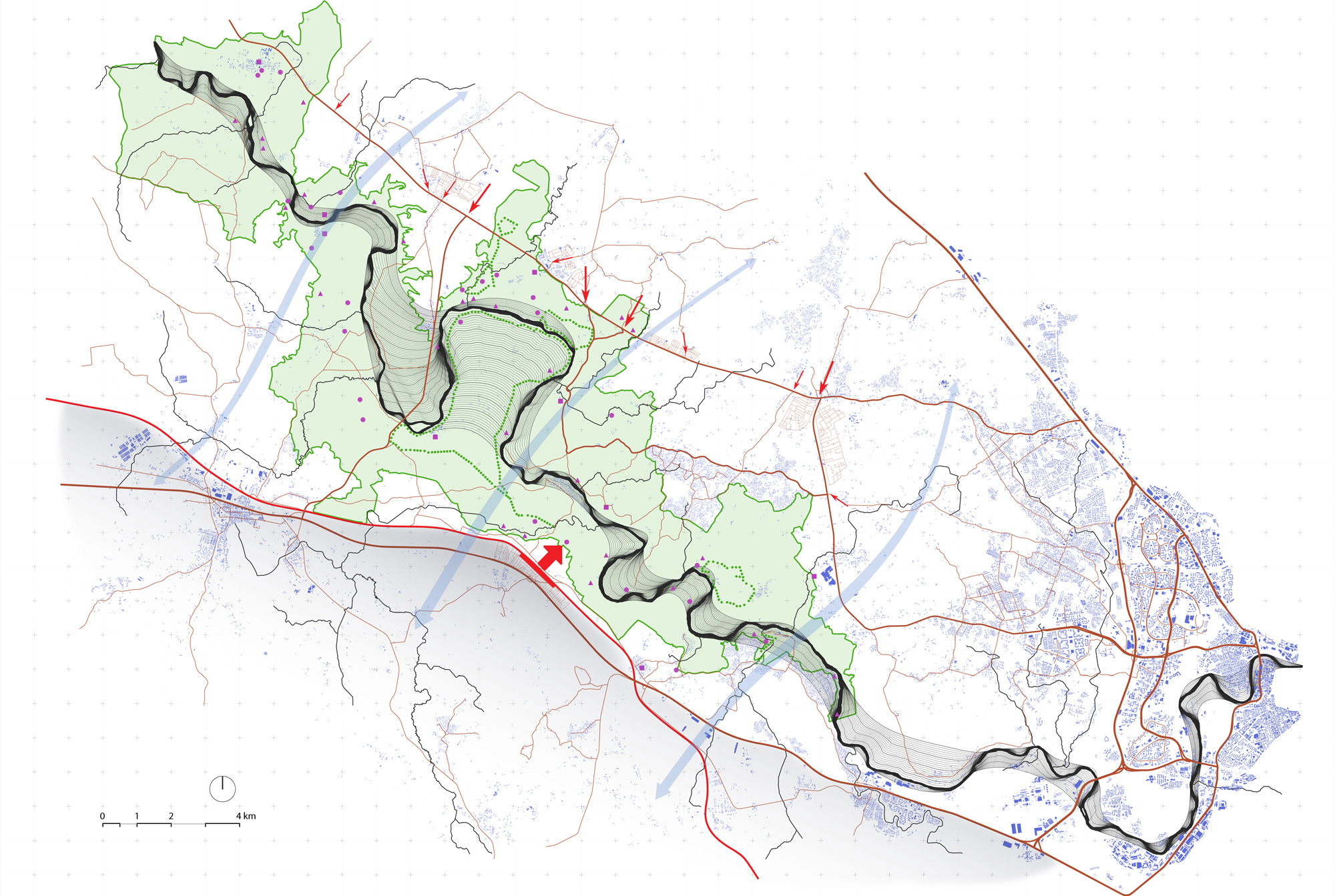
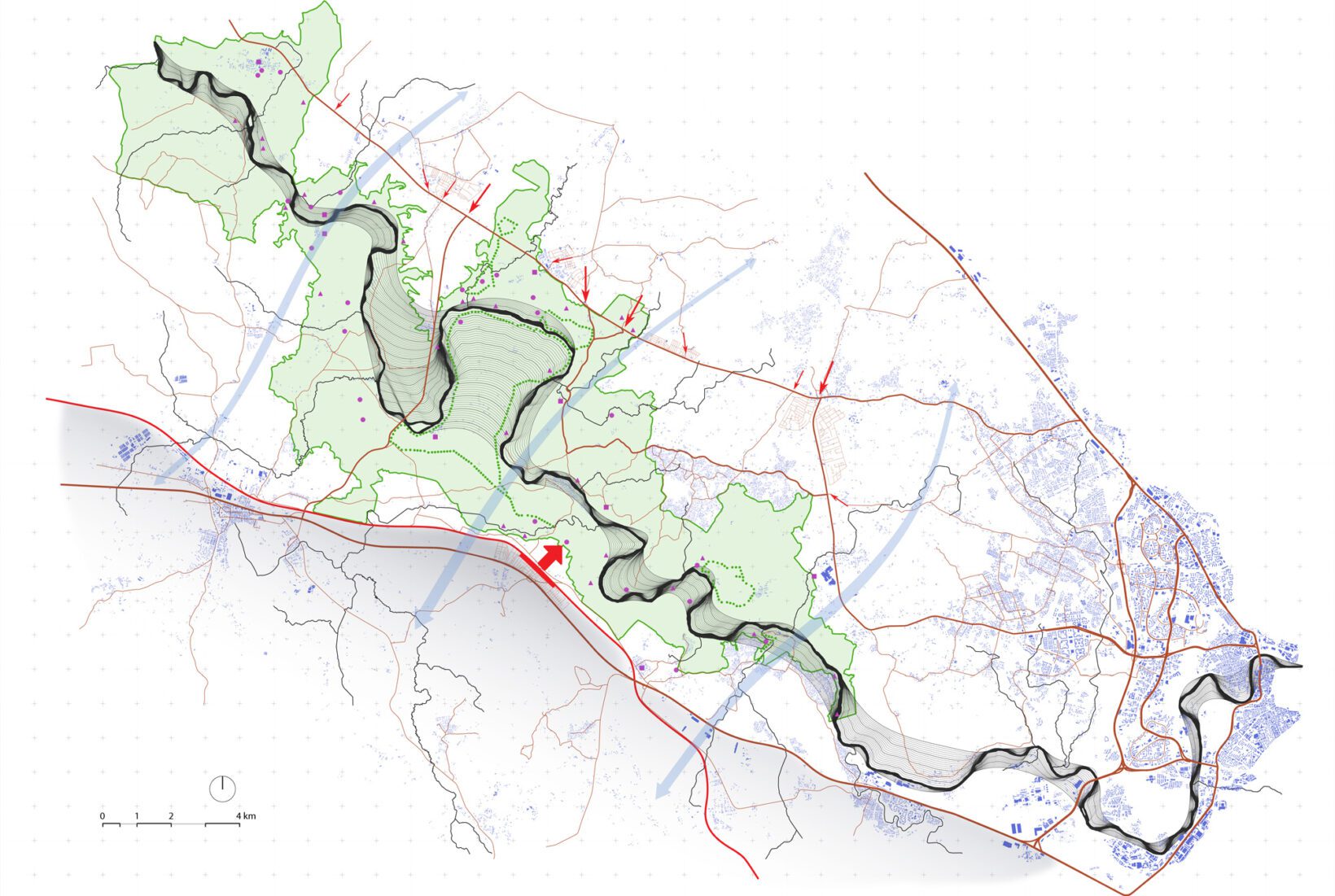
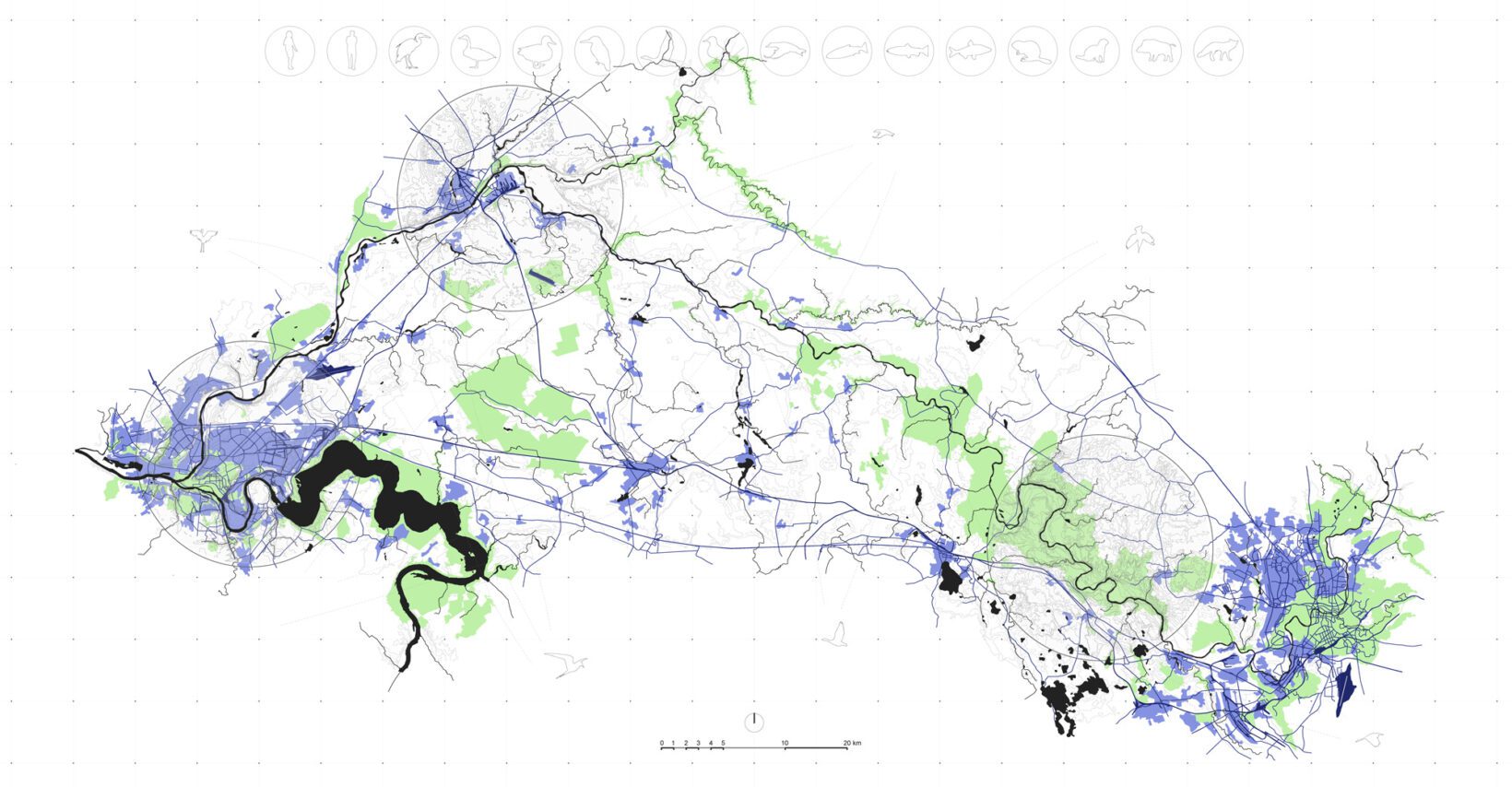
In the Baltic basin, the Neris and Nemunas rivers form an ecological backbone that connects cities, forests, and agricultural lands. Scandurra Studio interprets this fluvial continuity as a natural and cultural infrastructure around which to develop new forms of resilient living.
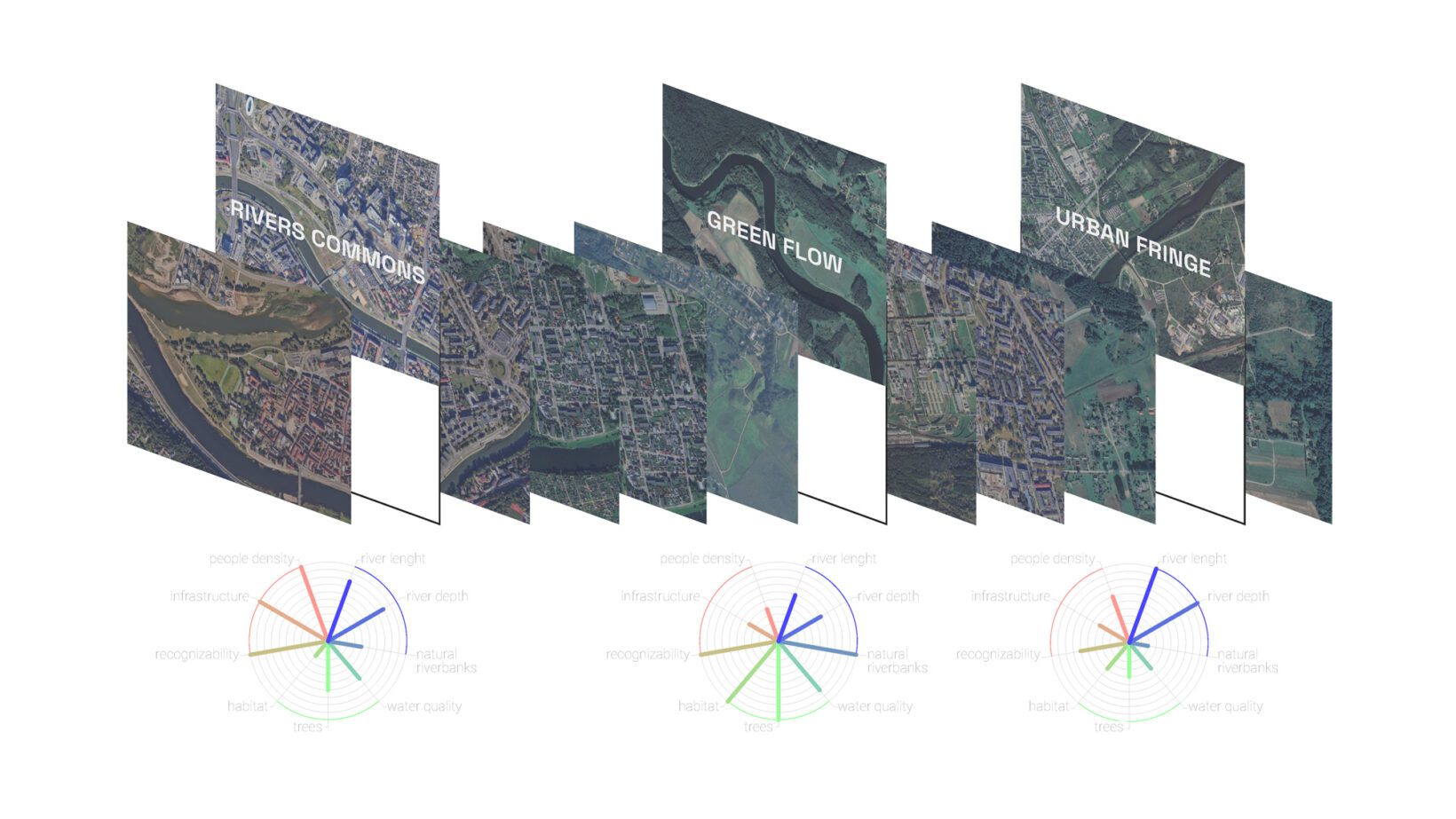
The project especially highlights urban ecotones—the transition zones between human-designed spaces and natural environments—recognized as strategic areas for experimenting with innovative, low-impact ways of living, moving, and sharing public space.
The Kaunas–Vilnius Ecological Axis
The operational core of Ecometropolis is the Ecological Axis that connects Kaunas and Vilnius along the Neris River. Here, three main ecotones structure the transition between urban areas and natural landscapes; territorial activation devices (Play, Move, Thrive, Work, Stay) are conceived as replicable tools for collective use and widespread landscape care; and a network of local organizations is engaged in enhancing the river and building an environmental and social common good.
A Project Already in Motion: Beginning Dialogue with Institutions and Stakeholders
Ecometropolis is now entering an operational phase: the vision will be presented to institutions, administrations, planning authorities, universities, and territorial stakeholders with the goal of launching pilot programs along the Neris; defining shared guidelines for managing urban ecotones; promoting the area along the Neris as the first example of an ecometropolis in the Baltic region; and building a model that can be replicated in other cities and territories undergoing transformation.
“The Neris territory represents a unique laboratory for defining shared tools with institutions, experts, and communities. Our proposal activates concrete devices and local networks to transform an environmental vision into achievable policies and projects,” emphasizes Alessandro Scandurra, founder of Scandurra Studio.
Ecometropolis proposes a system that can be transferred to other contexts where rivers, forests, and ecological corridors can become drivers of a new conception of living.
The project aims to strengthen territorial resilience, promote coexistence among different forms of life, and integrate natural processes into contemporary urban management.