WOOD BE THE FUTURE: modular and adaptive wood systems
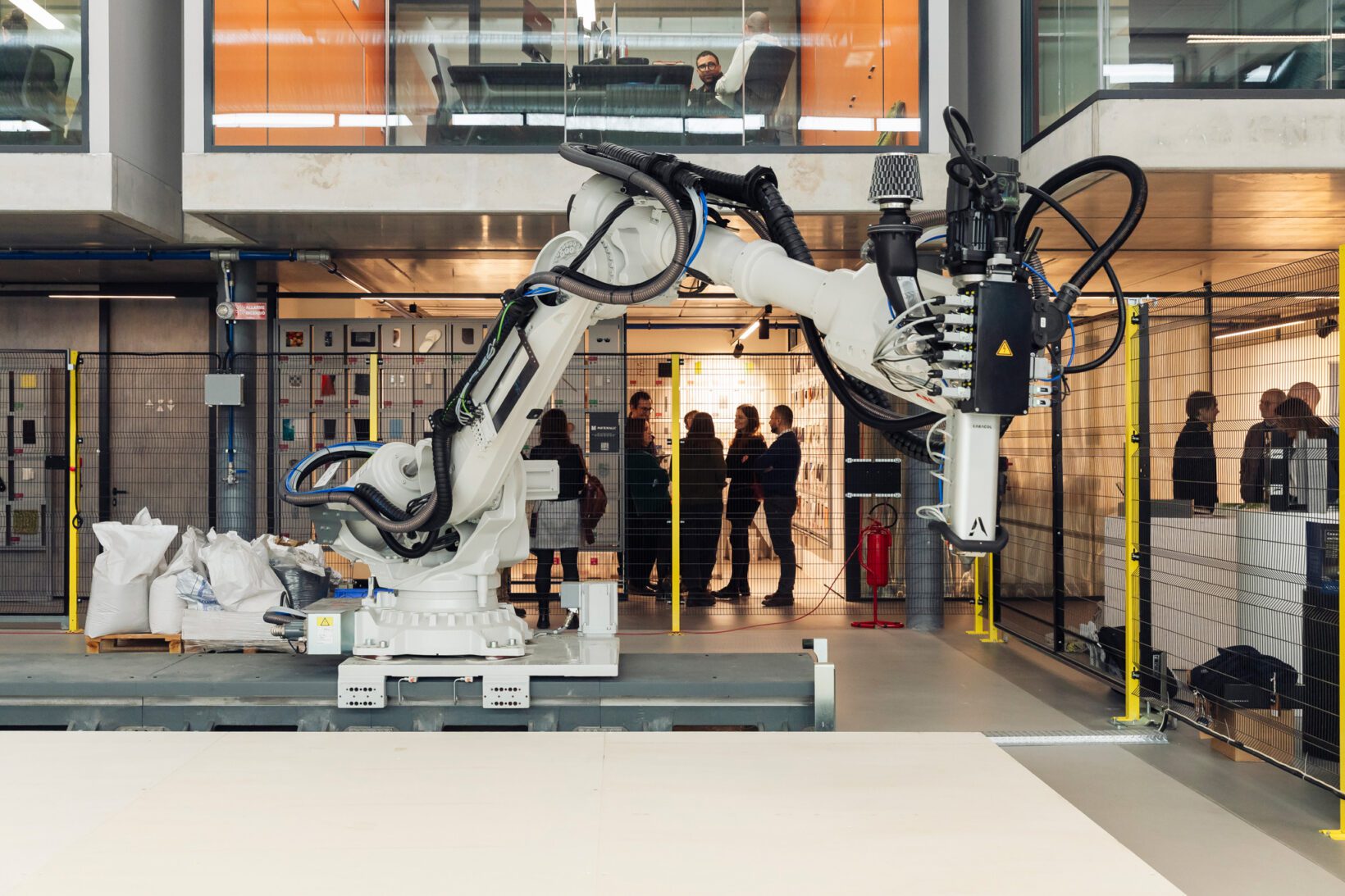
On January 22, at CoFactory DesignTech in Milan, WOOD BE THE FUTURE: Modular and Adaptive Wood Systems took place—a workshop promoted by Scandurra Backstage to explore the potential of wood as a key material for modular, flexible, and sustainable architecture.
Scandurra Backstage is the Research and Innovation network promoted by Scandurra Studio, born from collaboration among designers, specialists, companies, and real estate operators to explore new models, technologies, and methodologies for contemporary living. The initiative involves Florim Ceramiche, Reynaers Aluminium Italia, iGuzzini, Listone Giordano, Ekinex Spa, and Villeroy & Boch Group.
DOWNLOAD PRESS KIT
WOOD BE THE FUTURE is the first of four meetings scheduled for 2026, dedicated to the main directions of architectural innovation. The Technical Partners for this first event were DesignTech, BUROMILAN, Deerns Italia, TrivioQuadrivio, In/visible Lab, and Vibes Acoustics.
The event opened with Alessandro Scandurra, Founder and Creative Director of Scandurra Studio, who introduced Scandurra Backstage as a network for observation and preparation, aimed at anticipating change and translating it into concrete design solutions.
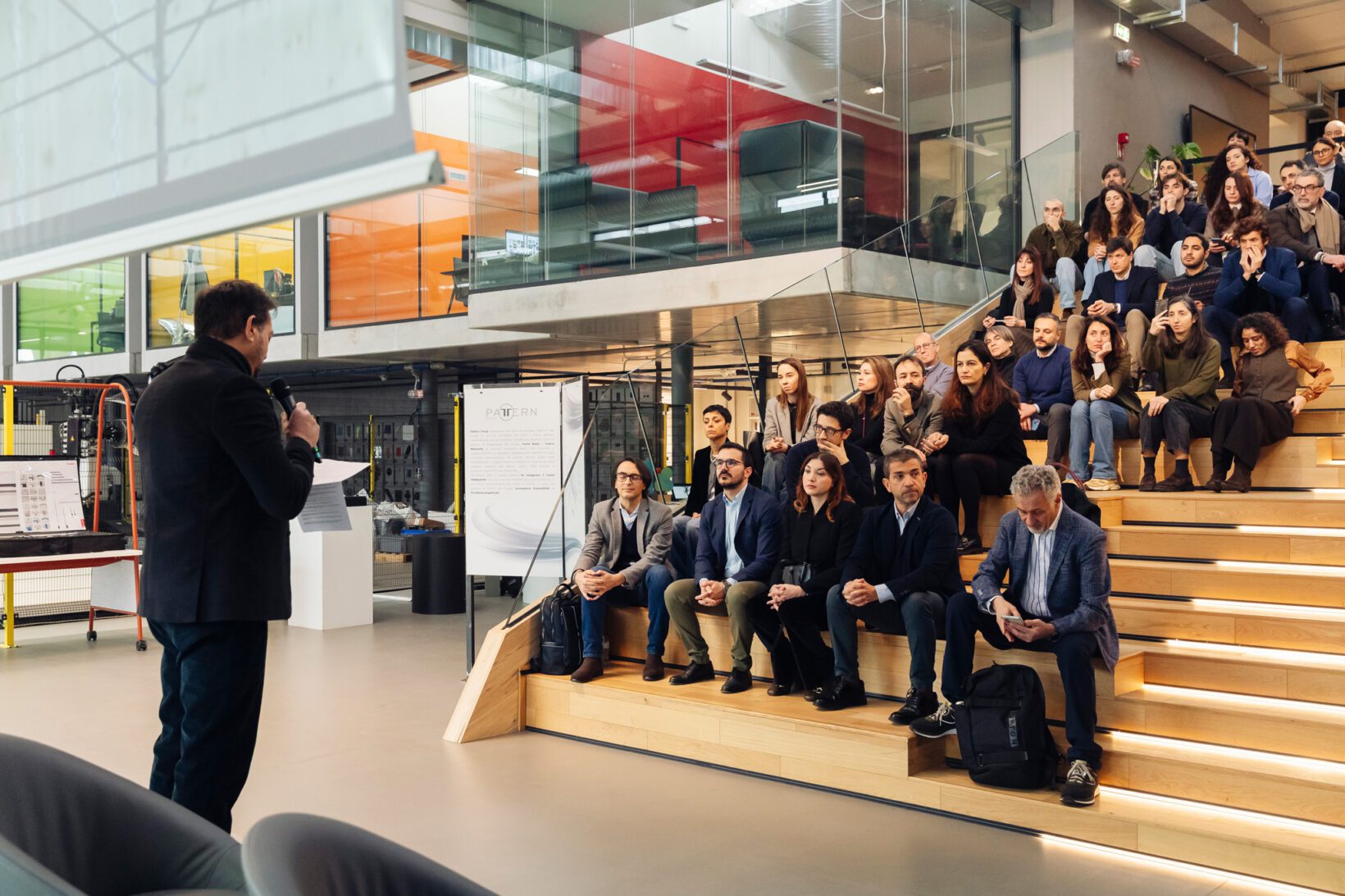
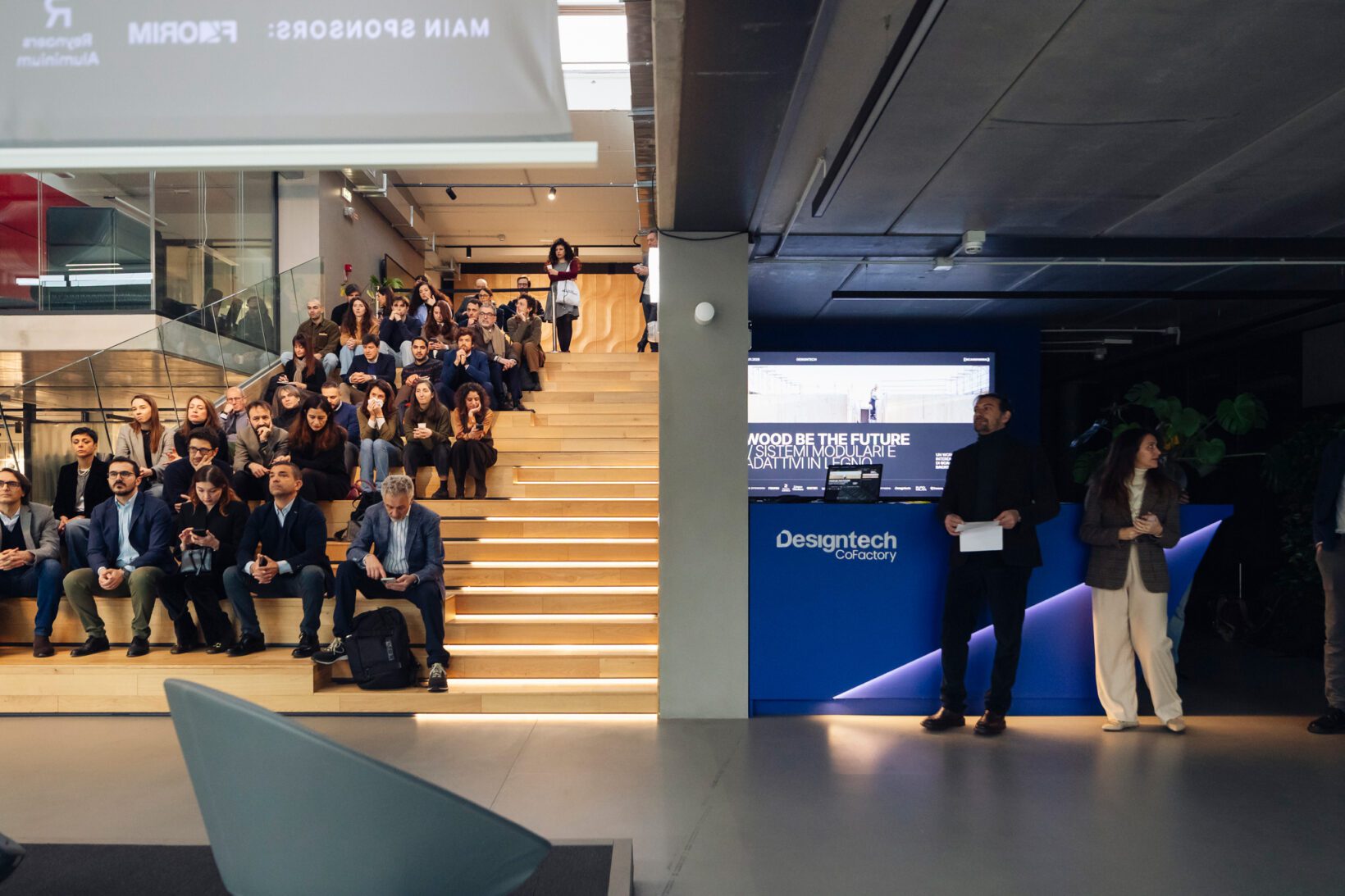
The day featured contributions from Giancarlo Tonoli, Head of the Research and Innovation Department at Scandurra Studio; Alessandro Rogora, Professor of Environmental Design at Politecnico di Milano; together with partners BUROMILAN (Massimiliano Milan), Deerns Italia (Nicola Greco and Giambattista Brizzi), XLAM Dolomiti (Adriano Francescotti), and Listone Giordano (Andrea Margaritelli), confirming the value of dialogue between research, design, and industry.
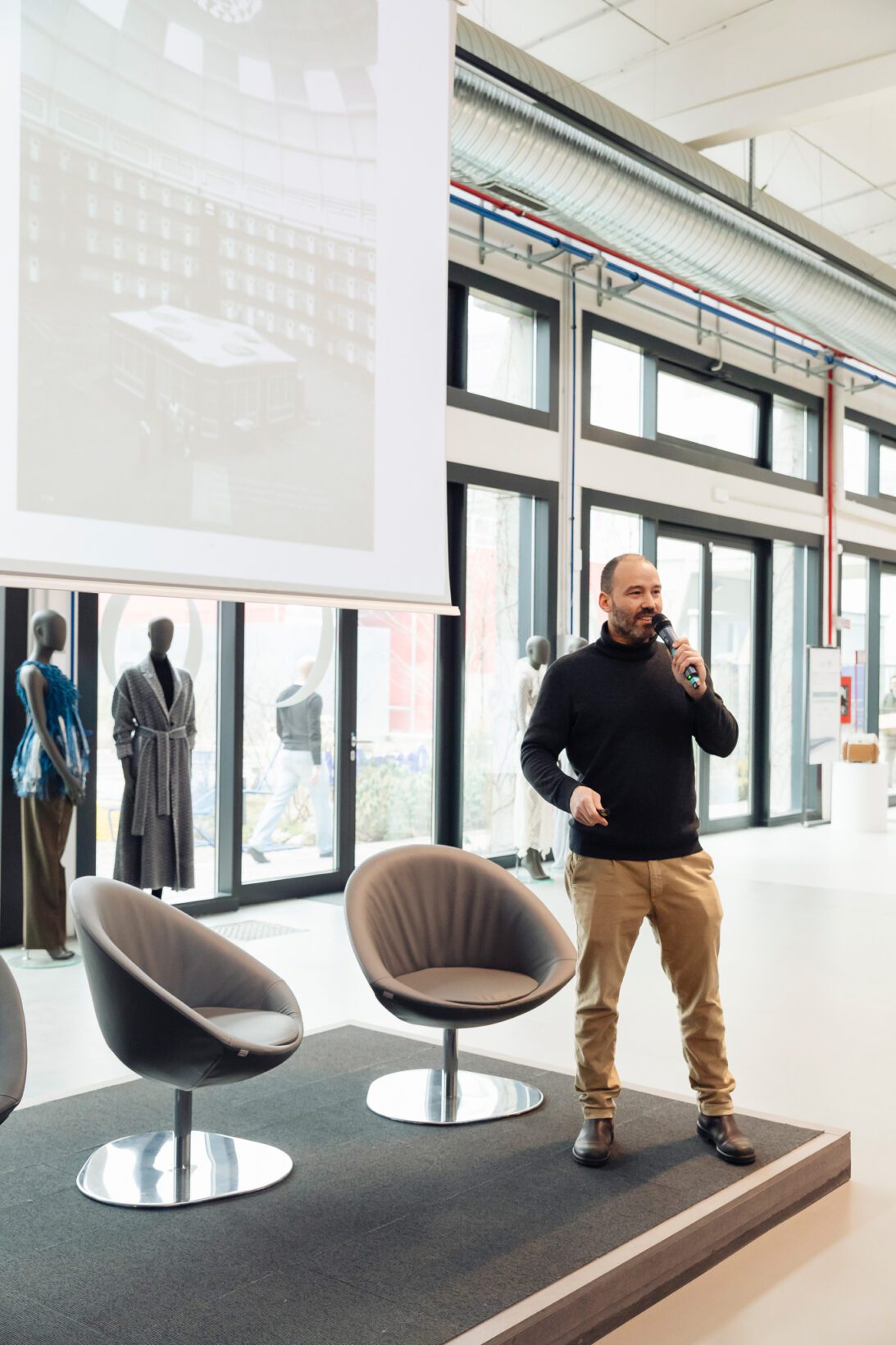
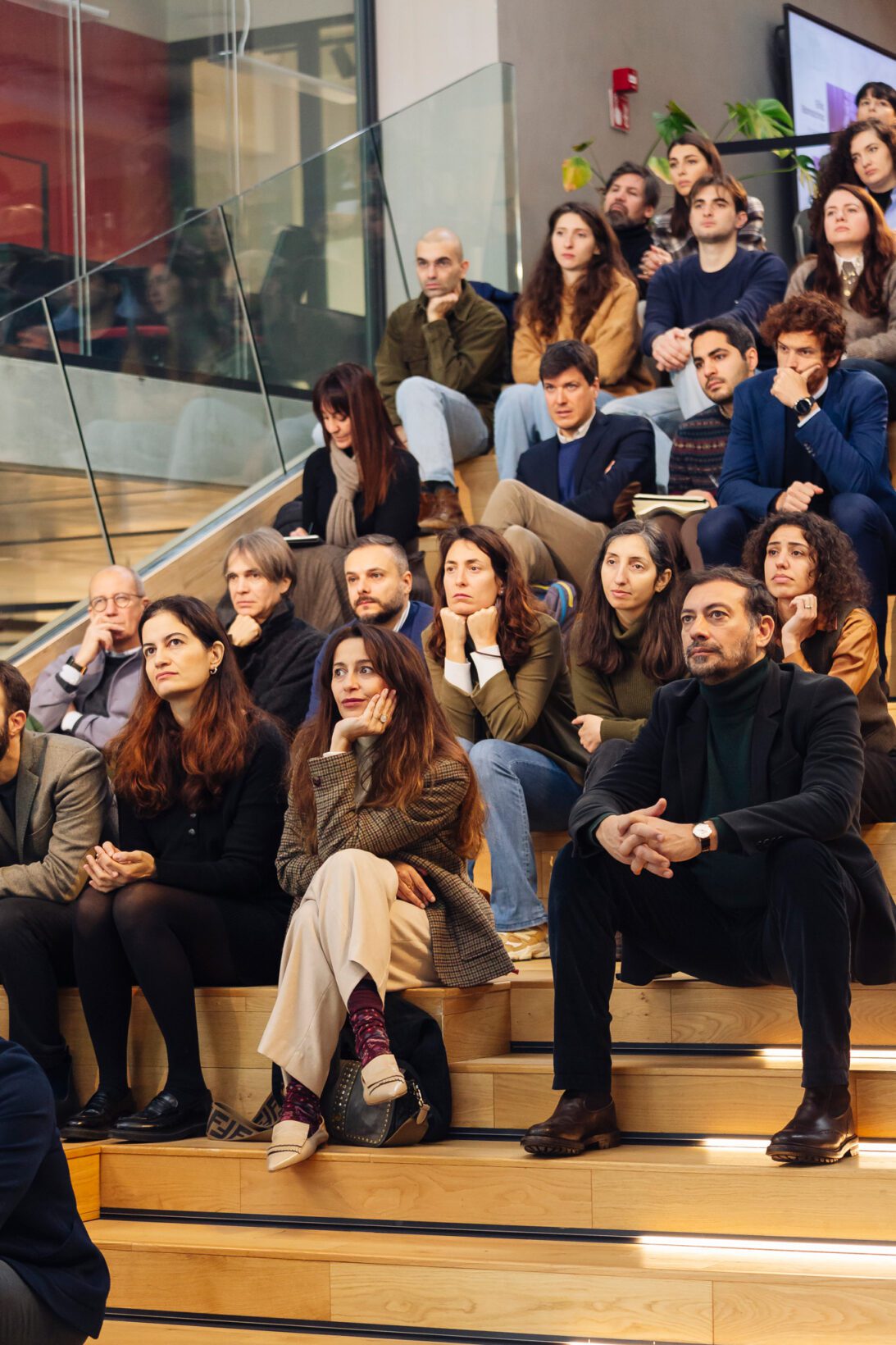
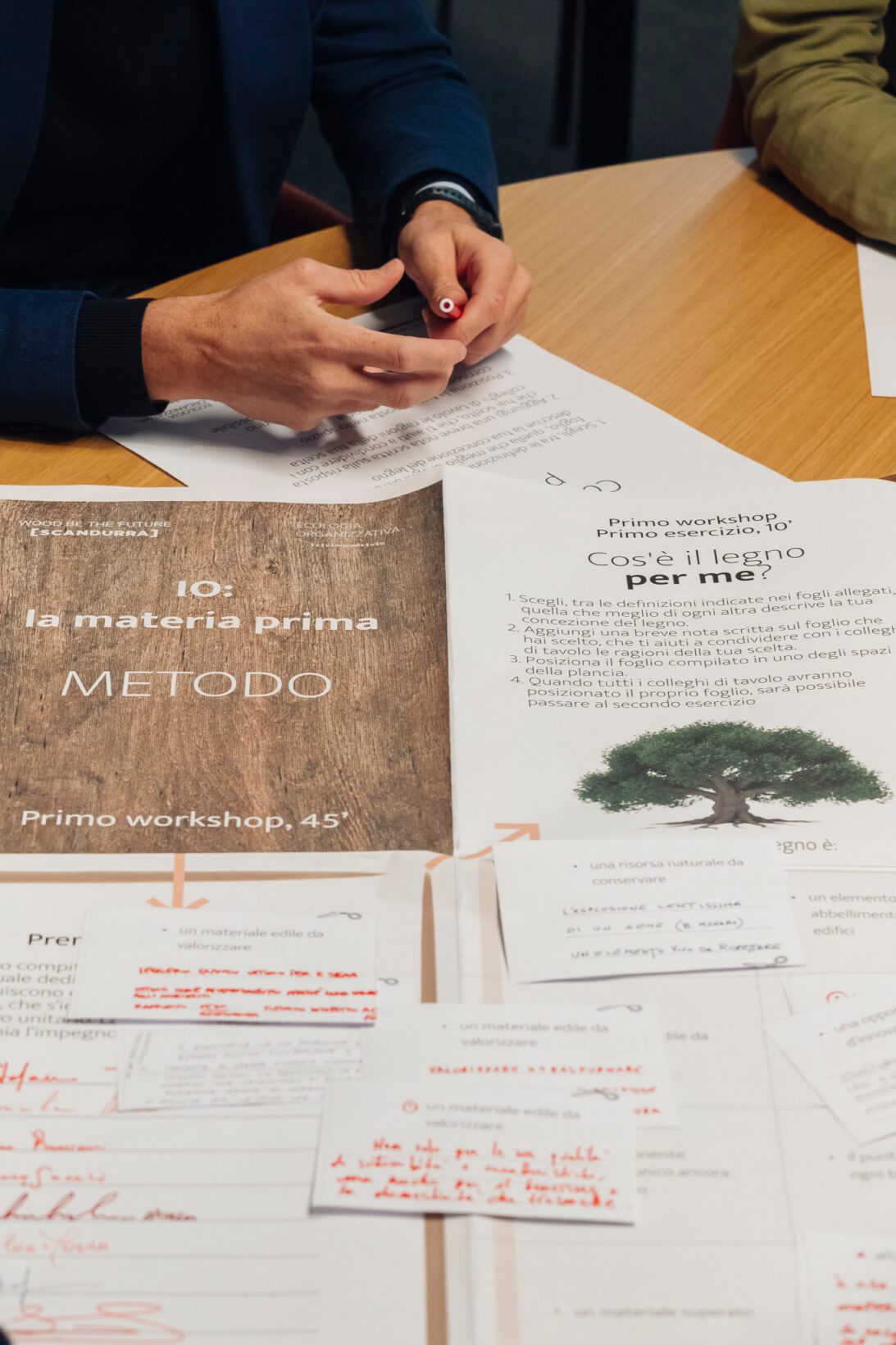
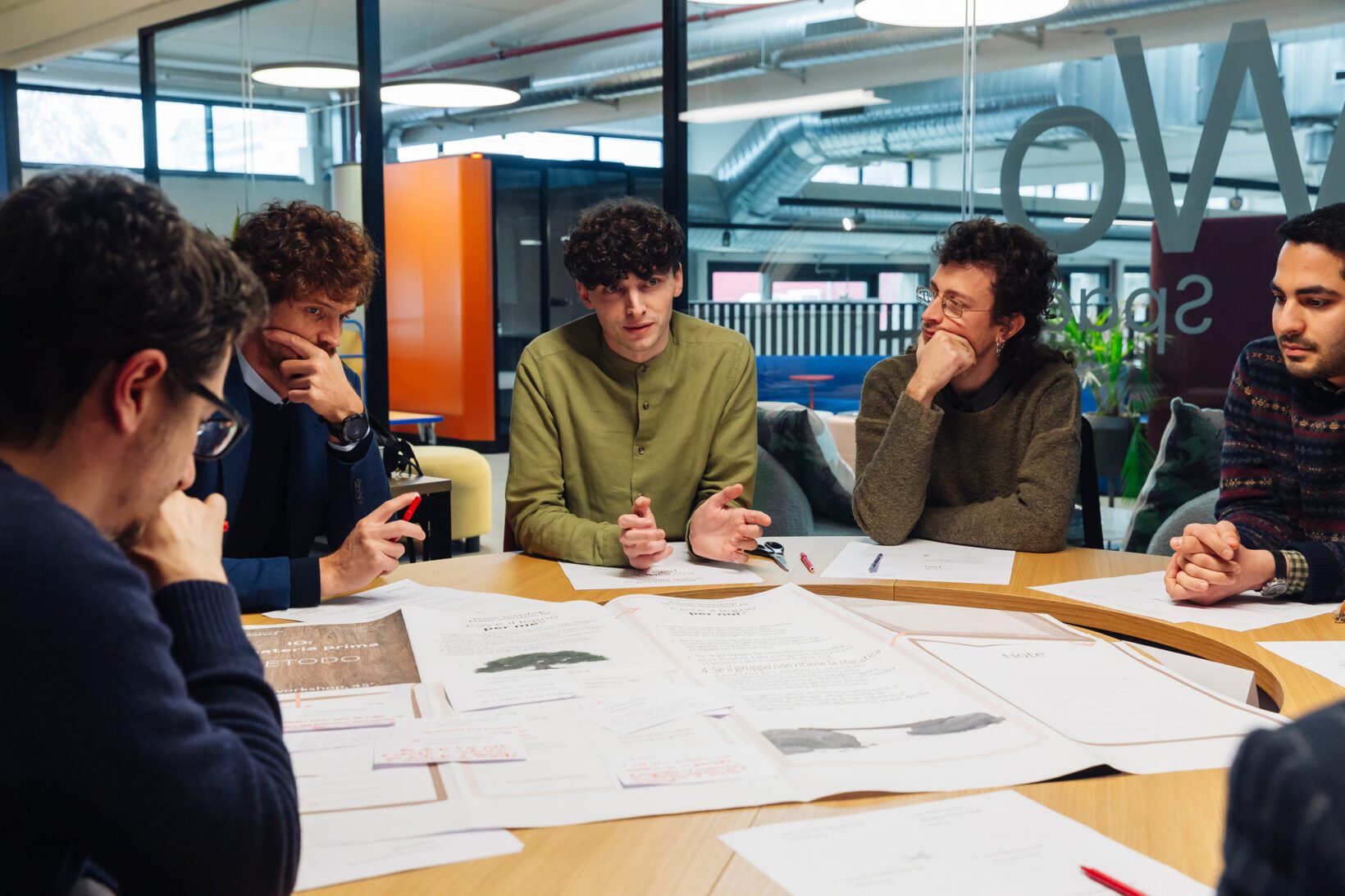
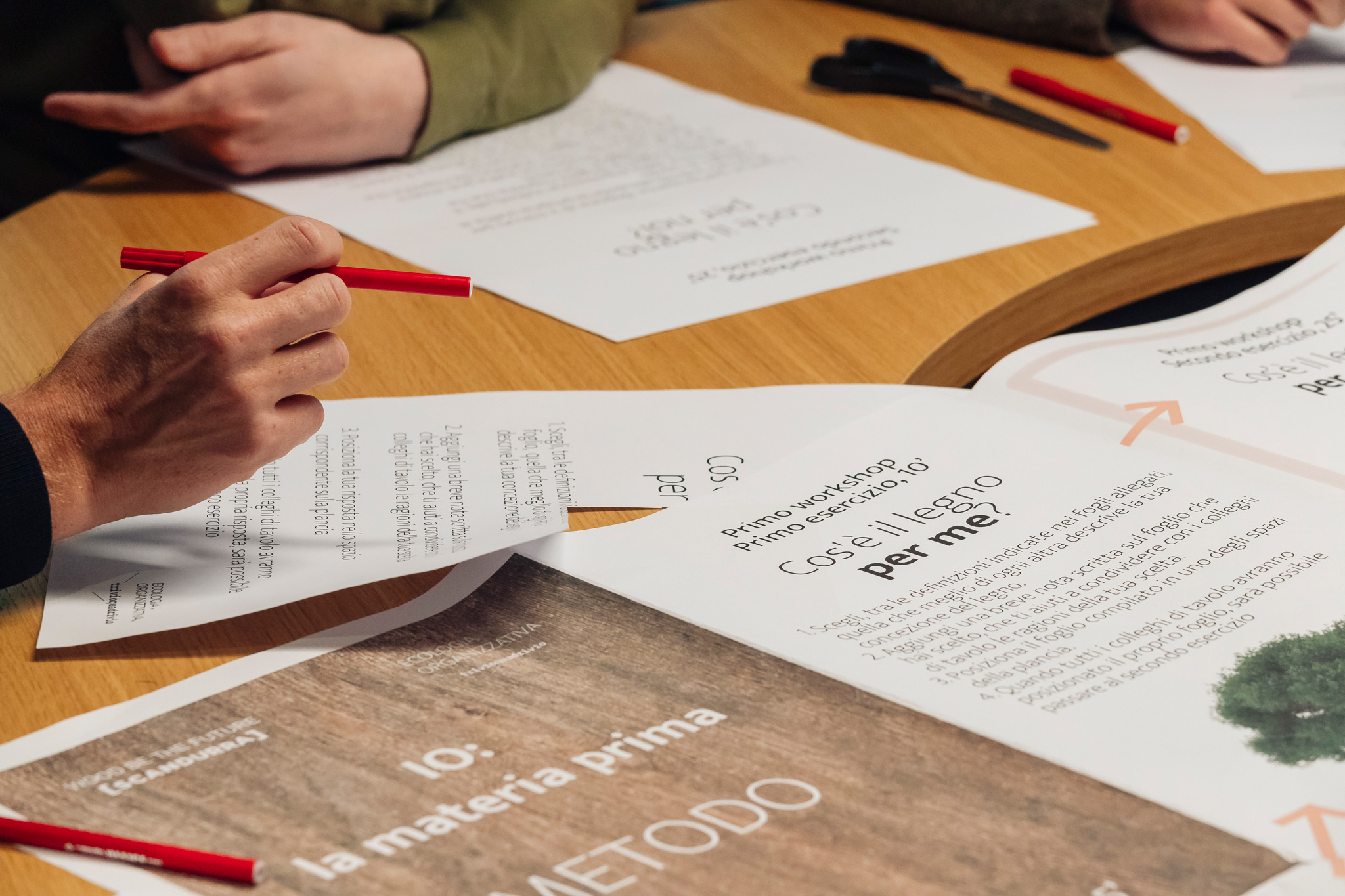
The workshop was structured in an initial series of presentations followed by a collaborative session led by TrivioQuadrivio, aimed at turning discussion into tangible outcomes and activating new synergies.
With WOOD BE THE FUTURE, Scandurra Backstage launches a research path that views architecture not only as a technical response, but as a tool capable of generating thought, community, and memory over time. The series will continue with three additional meetings throughout 2026. The next event will focus on reuse and circularity in architecture, exploring how design can activate new life cycles for spaces, materials, and systems.
Photo Credits: Stefano Anzini